WELCOME EACH PROSPECT PERSONALLY, AND MAKE THEM FEEL COMFORTABLE IN YOUR HEARING CENTER6/22/09
Are Your Customers Welcomed?
WELCOME EACH PROSPECT PERSONALLY, AND MAKE THEM FEEL COMFORTABLE IN YOUR HEARING CENTER4/23/09
It’s The Little Things That Count: 10 Tips For Hearing Aid Retailers


The highly-trained men and women who dispense hearing aids have a very difficult job. They must first learn about the lifestyle of each client and then research the perfect hearing aid to fit the needs of the buyer.
So, if you’re looking for the right outlet, or if you’ve just signed the lease, take a few seconds to discover how to best use your office. In the case of hearing aid retailers, it’s the little things that count.
1. Before you rent the office space visit the neighborhood during the day AND during the evening. That quiet, family neighborhood during the day may turn out to be a war zone at night.
Also, consider your business neighbors. Do you think it’s a good idea to open a hearing aid outlet next to a strip club? You want your office to be in a good neighborhood, even if the rent is higher (and it is).
2. Is parking a problem? I like to have my stores in strip malls where there’s plenty of parking and maybe even a store or small restaurant sharing my space pulling in strip mall traffic.
If your customers have to struggle to find a parking spot on the street six blocks away, you might lose a sale or two because the customer just didn’t want to walk a mile to get to your store.
3. Signage. A lot of the signage used depends on local zoning regulations. For example, in some communities, retailers are allowed to erect signs close to the street. In other communities, these stand alone signs are a zoning violation.
Take a cue from your business neighbors. If they have signage out by the road, have a small, tasteful sign made pointing prospects to your store. If you don’t see these signs, don’t break new ground and get yourself and your business in trouble. Be a good community citizen in every way.
As far as signage on the store, a couple of things. Make sure your outlet name can be seen from the street. Make sure the sign conforms to all zoning regs and have it professionally done, even if your sister-in-law was an art major. And keep it professional. Avoid the flashing neon. However, keep a spotlight shining on your store sign at night. It’s all part of advertising.
4. Have your store cleaned regularly. Regularly might be daily or weekly depending on how much foot traffic you get. Carpets should be vacuumed, all surfaces dusted and, if your store has large store front or front door windows, these should be cleaned weekly.
You know the old saying – you only get one chance to make a good first impression. Don’t blow it with streaky glass. It makes a statement about your professionalism.
5. Have product literature available for take-aways. Sell sheets, a consumer’s guide, individual product brochures – it may take a while for the buyer to make a decision. The professional hearing aid practitioner helps along the way with good advice and unbiased counsel.
6. Extend store hours. If your store is open 9-to-5, guess what? That’s when most people are at work so getting to your store requires leaving work. And that makes it harder for you, the retailer, to get those prospects in the store.
Stay open until 8:00 and make sure prospects know that you’re always available by appointment. Also, weekends are shopping time so keep the store open Saturday and Sunday. Close Monday to give the staff a break.
7. Ask visitors to fill out an intake form with contact information and their hearing assessment as THEY HEAR IT. It's also a good idea to collect prospects' email addresses. Tip: use a spousal or significant other form to collect info on the extent of a loved one's hearing loss.
This information should be added to your business data base. Those in your dbase should receive regular auto-responders in their email inboxes and direct mail pieces when you have an event planned.
8. FREE after care for life. Swapping out a battery takes you a second but some of your clients will appreciate the service. Also, these people become your regulars so when they decide to upgrade, they’ll come back to you.
9. Provide comfortable seating. I like to put a couch, coffee table and a couple of upholstered chairs around the store. First, I want my store to feel like home. Second, sitting in a “comfy” chair relaxes the customer as a make my initial analysis.
10. In-store signage. I use it but judiciously. Most manufacturers will provide counter-mounted stand-ups and maybe a wall poster. But I only use one or the other. I don’t want my walls covered with huge pictures of a discrete hearing aid. Kinda defeats the purpose, wouldn’t you say?
4/19/09
Discovery: Phase One of the Sales Arc

Consider the consumer's lifestyle!
As a hearing aid practitioner of 40 years, I’ve learned a great deal about people and technology. Certainly the technology has changed since I first began to practice. Back then, hearing aids were big, clunky and they weren’t very effective. Feedback, spikes in volume, limited tuning.
So, over the years, I’ve learned to stay current with the latest in hearing technology and with the consumers with whom I work.
The Discovery Phase of the Sales Arc
When a new client makes an appointment, or simply walks into one of my hearing aid retail outlets, I begin, not with a hearing evaluation but with a lifestyle evaluation. I want to know as much about the buyer as I can so, I pour us a cup of coffee, get comfortable on the couch and just talk for a while.
- type of work the consumer does
- how long s/he has noticed a change in hearing
- what the consumer does for recreation
- family situation
- common environments (We eat out at least twice a week!)
- impact of hearing loss on work and home life
- consumers’ priorities
Consumer Priorities
The most common priority is price. New buyers of hearing aids usually experience sticker shock when they realize that even an entry-level device is going to cost $1,000 – per ear! I urge each consumer to consider the quality of life benefits that a quality hearing aid delivers and to not let price be the number one priority.
Some buyers want a low-profile. Some want complete discretion with a CIC device. Some want convenience or the ability to use a cell phone without ear-splitting, whistling feedback. Part of my job is to learn what’s important to each client and, sure enough, each client has a different set of priorities.
For example, some want to be able to swim with the kids at the beach. It’s an important family activity enjoyed by the whole gang. In a case like this, I’d recommend a waterproof, or at least water-resistant hearing aid, one with a membrane to keep water away from the delicate circuitry.
On the other hand, if the customer leads a sedentary life, I’d move them toward (1) a lower-priced device that didn’t require a moisture-proof barrier or (2) a hearing aid that had more convenience features like automatic volume adjustment or wireless connectivity.
The Hearing Evaluation
Sometimes buyers have been to an audiologist or ENT doctor and come with a prescription. Even then, I still take the time to learn about the patient – something an audiologist or ENT might not do. Why? Because they’re in the business of developing empirical data and an accurate diagnosis that is then handed to me.
It’s my job to fit the right device to each consumer.
In other cases, I see a number of walk-ins who are “just browsing.” Well, they’re browsing for a reason. They recognize hearing loss. So, I let them browse and make myself available to answer questions.
Then, I go through my usual list of queries to develop a picture of the consumer and, if no hearing test has been performed, I employ a battery of tests to develop the empirical data I need to fit the consumer with the right hearing aid.
For example, I may discover during testing that a prospect has moderate or even severe hearing loss across all frequencies. My first question? How long has this hearing loss existed? If it happened overnight, or in a short time span, I send those individuals to an MD or ENT professional. A quick loss of hearing could easily be a sign of a stroke or some other serious medical condition.
However, if the hearing loss falls into the “expected” category, I now have empirical data that I can synch up with the lifestyle, budget and personal preferences of each consumer.
The Right Stuff
I know what’s important to the buyer and I have the evaluation data. This enables me to select two or three units from my product lines and offer options to the customer. Discrete and low-profile, flashy, low-cost or wireless connectivity – whatever the customer’s needs, I make sure to have several options.
This makes that buyer a stakeholder. Once a choice is made, I can quickly tune the devices if I have them in inventory, or have the devices overnighted and have them in the next day or two for a fitting.
The point is simple. A good hearing aid practitioner doesn’t sell hearing products. A good practitioner sells a better quality of life. An improved listening experience. The ability to stay on the job or in the game longer.
A good hearing aid practitioner is a good listener – especially during the discovery phase of the sales arc. Learn what’s important to the buyer and you’ll have lots of happy buyers, each a salesperson who spreads your business’ good name through good old word of mouth advertising.
Take the time to discover what’s important to each customer. That’s how you build a profitable hearing aid business.
Try it. I’ve been doing it for years. It works.
3/26/09
Use Marketing Materials To Cut Costs

Don’t.
Instead, use marketing materials to actually cut the cost of operating a hearing aid retail outlet.
Education
Use sell sheets and other marketing collaterals as hand-outs. Keep a stack in your store and, of course, bring plenty for every out-of-store event – from teaching an adult ed class on hearing loss to the annual community health fair.
And how should prospects be educated? Well, it’s important that consumers understand the considerations that should be made before a hearing aid purchase. Most buyers place money at the top of the priority list until they discover the advancements in hearing aid technology and what a little extra expense will get them in everything from sound quality to wireless connectivity.
A sell sheet the describes the different TYPES of hearing aids (BTE, CIC, etc.) helps the consumer take a more active role in the selection of the right device to suit his or her hearing needs and preferences. I’ve used several of these selling tools and, frankly, it cuts the amount of time I need to spend with consumers. They’ve educated themselves using my marketing collaterals.
And that’s a money saver. The fact is, by educating the consumer using hand-outs, consumer buying guides and other unbiased information, you create a more pro-active stakeholder in the hearing improvement process.
By using sell sheets that explain everything from how to read hearing aid specs to a simple, do-it-yourself hearing test, you prepare prospects for the process of hearing evaluation and the introduction of technological hearing solutions.
This saves time throughout the sales arc. An educated buyer is quick to decide on hearing aid type, features and cost because your take-aways have provided valuable, cost saving information.
I estimate that a well-educated buyer is easier to service by approximately 25% based on personal experience. Oh, and by preparing buyers for the cost of quality hearing aids today BEFORE they come to your store, you eliminate sticker shock syndrome.
Pre-Qualify Buyers
Not everyone who walks through the door of your store will buy a hearing aid. Some are just “window shopping” and gathering information. Some just come in for the FREE HEARING EVALUATION you advertise. Some are thinking about upgrading while some are simply looking for a low-cost solution to hearing the TV better.
A prequalified buyer is one who knows s/he needs hearing technology to solve a hearing loss problem. These pre-qualified buyers may have had a FREE hearing eval at a local health fair. Or some may have taken a simple, DIY hearing test that indicates the need for hearing aids.
Using these simple tests at seminars, health fairs and other events is a great tool to cut down on the qualification process. An individual who takes the hearing test ( a set of yes and no questions) already knows he needs hearing aids. This cuts down on the time you need to determine whether this customer is best served by a pair of quality hearing aids or a simple assisted listening device.
It’s a time saver and in any retail business, time translates into revenues. So, if you can use sales materials to educate and pre-qualify buyers, the sales arc is much shorter and your margins increase because of this increased per store productivity.
Of course, developing these sales materials to educate and pre-qualify customers can be expensive to develop. However, help is available, even for start-ups on the tightest of budgets.
3/12/09
Transitioning to a Hearing Aid: Preparing Your Clients

As I meet with independent hearing aid retailers across the country (13,000 strong), one “problem” that keeps coming up is the transition phase that takes place after the client has been fitted and is wearing hearing aids regularly.
“ My voice sounds funny.”
“It sounds tinny.”
“I hear feedback whenever it comes near my watch!”
Common complaints and just a few among the many you’ll hear from clients after they’ve made an expensive purchase. It’s important for the hearing aid dispenser to prepare the new hearing aid wearer for the new facts of life.
Early in the discovery phase of your discussions with clients, it’s important to prepare the client for the new reality. No hearing aid, regardless of price, truly replaces natural hearing, though some deliver a more natural listening experience, most often depending on number of channels which, in turn, translates into retail price.
Clients should have realistic expectations from the beginning and understand that a hearing aid is just that. It’s an aid, not a cure for hearing loss.
Before the purchase, I discuss the client’s priorities, which are pretty far-ranging. Most consumers are naturally concerned about price, and it’s at this point that I urge the buyer NOT to use cost as the number one factor in choosing hearing devices.
It’s here the education process begins. I discuss hearing comfort, wearing comfort, conveniences, organic sound options and, if the consumer is plugged into the grid, I introduce wireless connectivity. A short examination of lifestyle and the associate activities will better equip you to fit the right hearing device to the right consumer.
I had one client whose number one priority was to be able to hear his grandkids as they all swam in the pool. Made my job easy. I introduced him to several waterproof and water resistant hearing aid models. Problem solved. So, during this phase of the sale arc, educate the consumer on the various considerations other than price.
Guaranty Every Hearing Aid Your Store Sells
This is a win-win.
The client wins because s/he can be certain that if “this doesn’t sound right” no worries. A full refund is part of the arrangement, as it should be. Any qualified hearing aid practitioner wants a satisfied customer who enjoys a satisfying listening experience every day.
Thanks to you.
Tweaking
The new hearing aid wearer should expect some tweaking during the first few days and weeks, and this should simply be a part of your service offering. Tweaking channels to deliver a better listening experience is part of the transition process and your helpful understanding and knowledge to answer questions helps the client through this period of adaptation.
I ask my customers to keep notes for a day or two: too loud, too soft, feedback, echo – what’s going on in there and under what circumstances. And usually, after a visit or two, we strike that perfect balance of hearing ability and the most natural sound possible.
Go Proactive
When the customer leaves the store your job has just begun.
Follow up the next day with a telephone call to discuss any serious problems, discomfort or complaints. You can also be sure that the new hearing aid wearer will have a long list of questions so I usually grab a cup of coffee and settle in to listen and hear what my customers are saying. I’m the guide during this period of transition and I want to be there to help the client achieve the greatest improvement in hearing possible.
I also schedule an in-office adjustment within seven days of purchase. This allows me to adjust fit as well as tweak the channels according to the wearer’s list of problems.
Make the customer a stakeholder in his or her hearing by teaching these customers their roles in settings and maintenance.
And speaking of maintenance…
..a lesson in hearing aid maintenance will save service calls, it will save the client money in repairs and it’ll improve the customer’s daily listening experience.
Provide a cleaning kit and demonstrate how to clean a hearing aid and how to perform a battery swap out. Today’s battery packaging has made the process nearly mistakes proof, though I often hear stories of “watching the last battery slide down the bathroom sink drain.” Be prepared. Always carry a spare.
Over time, clients adjust to their new hearing experience, in large measure, because of your preparation and guidance during the transition process.
It’s a benefit to each customer and it cuts down on the number of returns.
Win – win.
John M. Adams III
jma3@hearingtutor.com
3/7/09
Use Marketing Collaterals to Help Consumers AND Make The Sale

- Are you the right professional?
- What does a hearing aid cost?
- What are my product options?
- What do I need to know to make my own decision?
I like these buyers. They educate themselves, they do their homework and they know what they want and need. So, when these first-timers walk in to one of my stores, I determine quickly what these shoppers want: information. Information on:
- services
- costs
- options
- benefits
- professionalism
So, I don’t spend a lot of time educating these prospects. Instead, I provide information in print form – everything from sell sheets to product literature to a tri-fold brochure that covers our service offerings, product lines, contact information and directions to the store.
Using marketing collaterals – take-aways – keeps your business’ name before the prospect. You provide the literature and impartial information required to make an informed decision. You provide easy, postage paid return cards to arrange an appointment for a complete hearing evaluation.
Sell Sheets
These are designed to provide accurate, impartial information. No hype or hard sell. In fact, the only commercial reference on a sell sheet is your store’s name and contact information.
So, for example, you might print up a sell sheet on what a first-time buyer should consider before purchase, or maybe write up a 20-page consumers’ guide on the hearing aid purchase cycle – from initial contact to on-going aftercare.
Sell sheets should be printed on lacquered paper, professionally written and accurate without any hard sell. If writing and graphics aren’t part of your skill set, visit hearingtutor.com for low-cost, license-free downloads that you can take to the local office store and print up and give away. As many as you’d like.
Direct Mail
Two critical parts to a successful direct marketing campaign: (1) the quality of the mailing list and (2) the quality of the mailer.
You can purchase mailing lists of individuals who’ve opted in on the web for information on hearing aids or you can do a direct e-mail blast of every resident over 60-years of age within a 30 mile radius of your zip code – much more cost effective.
BTW, in difficult economic times list brokers (there are a ton of them) are hurting. So, in your initial conversation with a list broker you may be quoted a price of five cents a name. Negotiate. That information is worthless unless someone is willing to pay money for it and that’s you. Chances are, you can negotiate down to 3.5 cents per name.
Also, seed your mailing list with known recipients – yourself. Add your name and your brother-in-law’s name to the mailing list just to make sure that the mail is, indeed, getting through.
Newspaper Advertisements
Though newspaper circulation continues to dwindle, it’s still a great resource for reaching local populations – especially older senior populations who still subscribe to the morning news to read over coffee. Wouldn’t be a morning without it.
Newspaper and other periodical advertising are opportunistic. The same reader can see your advert for years and not react because s/he didn’t experience hearing loss – until a few months ago! So today, your store’s advertisement is an opportunity to drive that reader to visit your store.
Use coupon advertising in local newspaper placements to capture the attention of those seeking aftercare and first timers.
Card Decks and Co-op Advertising
I don’t recommend card deck mailers (bundles of post cards) or any kind of cooperative advertising. I just don’t think you get enough bang for your marketing dollar when your card is one of 50 in a shrink-wrapped deck or a square column inch in the “OUR LOCAL MERCHANTS” section of the newspaper.
These may seem like low-cost alternatives to the expense of your own direct mail campaign but you get what you pay for.
Letter Campaigns
Perhaps the most productive of all direct mail campaigns.
A letter campaign is simply a follow-up letter sent after some other form of introduction. These aren’t hard sell. They’re soft sell reminders of that round of golf or that get-together last month at your mutual service organization.
These letters should be printed out on high-quality stationery with your company letterhead and matching envelops. They should be addressed directly to the recipient: Dear Bob, Dear Ms. Smith, Good day, Dr. Jones.
Either purchase the highest quality print paper you can or have these letters printed up at the local office big box store. This contact should stress your: (1) desire to assist and (2) a short listing of beneficial services, specifically targeted at the reader if possible.
Indeed, the W3 has changed the way hearing aid practitioners market products and services. But, it’s the print materials that prospects use to actually make that buying decision.
So provide print collaterals – sell sheets, product brochures, consumer tips – your counter tops should be covered with neat stacks of this promotional information, customized with your business name and contact information.
Remember, some buyers are methodical in their decision-making processes. Simply provide them with the best information in the most personal format, demonstrate your professionalism in the quality of the content and its look and feel, and help more prospects become customers.
Customers enjoying a better quality of life.
John M. Adams III
jma3@hearing tutor.com
3/3/09
Smart Marketing for Hearing Aid Practitioners
When it comes to marketing, follow the money.
Prospects want information not a sales pitch and the best way to give it to them?
An interactive website.
Build It And They Will Come
I’ve mentioned the importance of a website in previous blog posts so I’ll keep it short.
A website is the most valuable tool a small hearing aid business has – even if the service area is only 50 square miles! Local search and personalized search – now in common use by most search engine users – drives web traffic to your locally-optimized website. In turn, the website drives visitors to your retail outlet.
That’s why the world wide web (W3) is expected to see an increase in ad revenues estimated at 15% for the current fiscal year.
Go where the money is going.
A Website Is NOT Your Marketing Strategy
It’s the centerpiece, most certainly. Your website is the place to detail services and stress your professional credentials. It’s also easy to show a map of your retail outlet(s) and provide a printable set of directions to get them there.
Add a picture of the store’s exterior to make it easier for Walk-Ins to walk in. “Hey, there it is!” The website is the bull’s eye of your marketing campaign but it is not the end of your marketing efforts.
Use Your Web Site to Capture Local E-Mail Addresses
Visitors aren’t going to give you an e-mail address unless you offer something in return – an e-book buyer’s guide for hearing aids, for example. Write it yourself or hire a writer on a website like Elance.com.
Use the e-book to capture e-mail addresses. Those who “opt-in” for the free download can be contacted by e-mail through a series of auto-responders – automated e-mails sent out periodically to your expanding opt-in list. And remember, these are local prospects looking for your hearing aid services. Hot leads.
Use Auto-Responders to Obtain Mailing Addresses
Don’t backsell the poor prospect to the grave but periodically send an auto-responder (maybe once a month) providing good, practical informational content and not a lot of sell. Let the quality content sell the professionalism of your services.
One tactic is to offer free testing, free demonstrations and free product brochures and good, informational content on hearing health by e-mail and by snail mail. This enables you to capture a prospect’s name and address.
Deliver quality content to your opt-ins. These men and women are thinking about a hearing aid purchase and the more helpful information you provide to further the buying process, the better product fit for the customer and the more customers walking in to your store.
Keep your business’ name in front of prospects via e-mail and regular mail.
Use Direct Mail In Conjunction With E-Mail
Once you’ve captured a name and address, follow up quickly – immediately – with a direct mail letter and/or post card. A coupon also drives store traffic. Depending on the number of product lines your store carries, there’s usually one or two manufacturers with preferential pricing.
Pass these savings on to buyers and let them know by direct mail. Also, post sale information and new product or service offerings by e-mail and by regular mail. Why?
The purchase of a hearing aid is a psychological/emotional decision as well as a financial decision. These means it may take an individual with hearing loss several months or longer of regular reminders that solutions to that hearing loss are available through your store.
In difficult economic times, those who would benefit from a pair of hearing aids are putting off the purchase and turning up the TV instead. It’s a difficult sale when prospects are worried about losing their jobs.
Integrate All Marketing
For greatest impact, make sure all information sent by direct mail also appears on the website or on a separate blog. And don’t forget to include your website URL – your web address – on all printed marketing from direct mail to newspaper adverts to ads in local periodicals.
Also, add that URL to business cards, take-away promotions from the store and other printed promotions like brochures and letters. Your URL is the center of your marketing campaign.
Use it or lose it. (The sale, that is.)
John M. Adams III
jma3@hearingtutor.com
3/1/09
Hearing Aid Practitioners: Six Tips to Lower Operating Expenses

Hearing aid practitioners, whether owners of a single outlet or a chain of stores across a geo-specific service area, are feeling the pinch, just like all small business owners.
So, where can you cut back? Well, cutting back on services creates backlogs of evaluations and unhappy customers. Cutting back on marketing, which may seem like a natural, is actually the worst thing any small business owner can do during difficult economic times. This misstep will actually bring even fewer customers through the front door.
IS THIS CALL NECESSARY?
So, where can the hearing aid practitioner, or any small service provider, turn to cut some costs while still delivering the highest quality services. Time to pull out the company books to scour your operating costs. Guaranteed, you’ll find places to cut corners that clients won’t even see.
HVAC Tune-Up
What’s it cost to heat and cool your store? Well, depending on square footage, I’ll bet it’s a few hundred bucks a month, 12 months a year. A store that’s too hot or too cold isn’t inviting so creating the right environment is critical to keeping clients on site and comfortable.
A simple heating, ventilation and air-conditioning (HVAC) tune-up can save hundreds, even thousands, of dollars annually. Caution: hire a company with HVAC certified technicians to make sure you’re getting the job done correctly.
Depending on the technician’s analysis, it may actually pay to replace the wheezing air-conditioner on the roof or the clanky old furnace in the basement. However, before you write the big check, get a second opinion and a second estimate from another HVAC professional.
Update Signage
Your outlet signs, seen from the street, are a constant reminder of your store’s presence for all of those vehicles that pass by each day. And sure enough, some of those drivers will be looking for a hearing aid - and soon.
The signs visible from the street are excellent tools for driving store traffic. Of course, your signs must be in compliance with local zoning regs so check them out. Also, your signage should announce special services like “Walk-Ins Welcome.”
Clean, professional, compliant with local zoning regulations and eye-catching – never under-estimate the importance of signs, visible from the road, to pull in foot traffic.
Renegotiate Your Lease If You Rent Your Store
If times are tough, call the owner of your store and explain the situation. Offer to renegotiate the lease to keep your business viable.
Here’s the thing: if your store is in a strip mall or professional office building, the landlord would rather have some rent coming in than having to face the expense of finding a new tenant. A FOR RENT sign on a retail outlet is also bad for other businesses that make up the complex.
Don’t expect the store owner to do back flips but at least see if there’s some wiggle room. For example, renegotiate the lease with increasing rents so in the first or second year you’re paying less but as each year goes by, the rent increases and the property owner breaks even after six or seven years.
It’s important to avoid painting yourself into a corner, and in fact, don’t expect much negotiation from the landlord. However, consider cost-cutting options – handling your own trash pick-ups or window cleaning, for example. If you can save a few bucks here and there, it adds up, and may enable you to keep a valued staff member on payroll.
Telecommute the Staff
The back office – your bookkeeper, administrative assistant, hearing aid tech and others who don’t work directly with customers can often work from home simply by adding software to your in-store system.
Repairs can be done at the tech’s home and paperwork – most of which is digital – can be done anywhere there’s a high-speed digital connection. Offer up this benefit instead of a cash raise. You won’t have any trouble convincing store workers that missing the morning traffic jam is an improvement in quality of life.
Rotate Practitioners’ Schedules
If it comes down to letting go a valued professional, offer the option of sharing a position with other practitioners. Most co-workers will accept a small cut in their hours to enable you to keep a friend and co-worker on staff.
Cut Communication Costs
If you’re paying for a bank of cell phones, unlimited long-distance and caller ID on a business telephone, you’re spending money you don’t have to. Why pay for caller ID on a business phone? You’re going to answer any way, right?
If you’re paying for unlimited long-distance, but your service area only covers 25 square miles, you’re paying more than you have to for telephone service – even if your wholesaler is a couple of time zones to the west.
Today, with the use of email, you can conduct a lot of business digitally and cut the costs of your telephone bill. Oh, and get rid of the cell phone – especially if there’s always someone in the store! Why pay the extra $100 a month so you can call a tech when you can email her free?
Think and save.
2/25/09
Reach Out: Help Your Community. Help Your Business.

The independent hearing aid practitioner is faced with numerous business problems in an economy that’s frozen like a deer in the headlights. People aren’t spending. Banks aren’t lending and the small hearing aid business owner must compete with assisted listening devices that sell for $14.95 on TV.
In the case of hearing aid technologists, this means reaching out in to the community to offer services designed to help others and help grow the business.
There are numerous opportunities for those entrepreneurs willing to put in the time and effort – to give to the community.
Health Fairs
Many communities offer health fairs, often in the fall after the slow summer season is over. These health fairs include various medical service providers who conduct basic blood pressure, eye exams and, yes, hearing evaluations.
As a result, many health fair visitors will discover that they, do, indeed, have some hearing loss – hearing loss that can be corrected, or at least mitigated. So, by participating in these community events you help members of the community and you generate potential prospects. Everybody wins.
Assisted Living Facilities
It’s difficult for the owners of these assisted living facilities to get many of their clients and residents in for regular hearing exams and so, in too many cases, hearing loss is neglected in institutional settings. It’s simply too difficult in many cases.
Contact the administrators of these facilities and offer in-house hearing evaluations as a service. In many cases, the ability to simplify the hearing evaluation process will be welcomed by the administrator. These services should be donated, and evaluation results provided to both administrator and patient.
Schools
Elementary schools, middle schools, high schools and institutions of higher learning need free evaluation services for their students. The earlier a hearing loss is detected the better the long-term prognosis for the child.
Once again, these services should be offered at no charge to the school or the individual students tested.
On a practical note, contact your business insurance agent to discuss your outreach plans. Additional liability coverage may be required to protect against increased risk exposure – a part of any outreach program.
In-Store Out-Reach
Schedule regular events in your store. Many hearing aid manufacturers have speakers who can be scheduled to make a presentation. Offer simple refreshments and advertise well in advance of the event itself.
Finally, always offer free in-store evaluations. Yes, it may be time-consuming but that store visitor will be back in the years ahead, remembering the free, professional service you offered in the past.
The best way to stay afloat in tough economic times is to go pro-active. If your regular print marketing isn’t driving traffic to your store, it’s time to reach out to prospects and help your community and your business simultaneously.
John M. Adams, III
2/24/09
Don’t Sell Your Customers. Educate Them!

Hearing aid practitioners form the interface between manufacturer and consumer. You won’t find a Phonak salesperson working with a customer. You won’t find an Oticon technician administering hearing evaluations at the local hearing aid outlet. Instead, it’s the hearing aid practitioner – the hearing aid dispenser – who interacts between manufacturer and end user – the consumer.
And that puts us in a unique position to actually educate prospects, not just sell them a hearing aid or two. I’ve found, over the years, that an informed consumer is (1) grateful for the advice and guidance and (2) becomes a part of my client base. These buyers come back when they need after-sale items or another hearing evaluation. Why? Because I didn’t try to sell them a hearing aid. I taught them about the hearing process and hearing technology.
So, what should today’s hearing aid retailer be prepared to discuss? Well, I assume the buyer knows little or nothing about hearing or hearing aids. This way, I start at the beginning and walk the consumer through the process of selecting, fitting and living with a hearing device.
How do we hear?
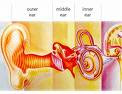
It happens so automatically that most people simply take it for granted. I use a cut-away diagram to explain the delicate intricacies of the hearing mechanism. If the customer has the results of an audiograph I explain how the ear drum picks up and vibrates to different frequencies and how that individual’s hearing loss came about, if I know the reason. (Of course, sometimes we don’t know the underlying cause in which case, it’s best to be straightforward with the buyer.)
Any way, once the customer understands the complex procedure that is hearing and interpretation of sound (localization, recognition, et al) they simultaneously recognize the need to address hearing loss to keep the problem from progressing.
What is a hearing aid?
I’m amazed at the misconceptions that laypeople have about hearing aids. Most believe that a hearing aid is simply a device that amplifies sound. Maybe that’s why so many buyers experience sticker shock in your showroom after seeing hearing devices for $14.95 advertised on the TV.
I always open the hearing aid case to show the buyer the complex digital circuitry and explain how a hearing aid can be tuned by the practitioner to not only boost hearing but prevent further hearing loss caused by adaptive listening devices (ALDs).
What should I look for in a hearing aid?
Most buyers don’t even know where to start or what questions to ask. This is the part of my job I love most – teaching the benefits of today’s hearing aids.
The four areas I cover with each customer are:
Wearing Comfort
I remind each buyer that s/he will be wearing these devices for 14 hours a day so they should be comfortable. A simple review of the pros and cons of various types of devices – CIC, BTE, etc. – helps the buyer make the right decision for his or her preferences and lifestyle.
Hearing Comfort.
I stress this during my initial consultation. Some customers want the discretion of a CIC unit from the moment they walk through my door. That is until I describe the problems of CICs – stuffy ear feeling, distorted voice image and so on.
I then introduce the concept of hearing openness provided by BTEs. I explain that BTEs deliver a more natural, less processed sound – an open, airier sound – than a CIC, for example. However, once I’ve laid out the pros and cons, i.e., educated the consumer on hearing comfort and options, I don’t debate. The consumer knows what s/he wants and what the priorities are.
Automated Convenience
As hearing aid practitioners, we know the value of automated convenience to quality of life. Automated feedback suppression, automated volume adjustments, data logging – all tools that enhance the hearing aid experience.
However, these automated features cost money and hearing aid costs are usually the number one priority for buyers. That’s why I take my time here to explain that the conveniences will be with the buyer every day for years to come while the extra money spent on these conveniences will be forgotten in just days. Now, this may sound like I’m selling but I also believe it’s the truth. I’ve seen too many unhappy buyers return a year or two after buying a low-cost device to buy up and get some of those conveniences that making wearing a hearing aid simpler.
Wireless Connectivity
This feature, available from many manufacturers, grows in importance every day as the wireless network expands. Cell phones, MP3 players, laptops – if you want to stay connected to the communications grid today you need wireless.
Of course, many consumers don’t own cell phones or MP3 players so they don’t need this convenience. This allows me to show the buyer less expensive units or units that offer features that particular buyer will actually use. For instance, I had a customer who was much more interested in being able to swim each day with his hearing aids in place. That was more important than wireless connectivity so we quickly switched over to water-resistant and water-proof models.
What about cost?
This is always a tough point. Who’s got $5,000 to spend on a pair of high-end hearing aids? I don’t and I retail them!
There are low-cost financing options available, either through government programs or local financing through your outlet. The point is this: hearing aid practitioners are tasked with fitting the right device to best suit the consumers’ needs, preferences and pocketbook and I’ll do whatever it takes to make sure that my customers leave my store with the right device.
In other words. I’ll do everything I can to help finance a purchase (assuming a quick credit check delivers the news I’m looking for). Once again, by providing financing options, you’re educating the buyer.
Stop selling. Start teaching.
As professionals, our work is client-centered NOT profit-centered. Sure, we have to pay the bills – the rent, utilities, payroll, manufacturers – there has to be good cash flow to be able to offer the quality of service and the broadest array of options available.
So, what can you do to better help your customers? In-store demonstrations? How about an outreach program for those people who can’t get to the store? What can you do to be a better hearing aid practitioner?
Answer that question and your business grows automatically with good word of mouth – the best advertising there is.
Stop selling. Start teaching. Then, watch your business grow.
12/19/08
My Christmas Gift to You: An Ever-Expanding Customer Base


Remember the old adage: it’s much easier to keep a client than it is to find a new one. So, how do you keep your existing customers coming back? Here’s how I’ve done it and, after 35 years in hearing technology, these marketing and promotion strategies work.
They build businesses. Your business. Merry Christmas.
1. Reminder cards. Most small professional service providers send out reminder cards. I get one from the vet telling me it’s time for annual inoculations. Now, don’t get me wrong, my vet’s great, but I also know these reminder cards are sent out to drive business. (That reminds me, I have to make an appointment.)
But here’s the thing: I look at this reminder from my vet but all it tells me is that it’s time for an annual update for pets. Missed opportunity. These cards should not only serve as reminders that it’s time for the annual hearing evaluation, these same cards can be used to announce a special “Friends” sale, offer a discount, free services. In other words, don’t just tell your clients it’s time for a tuning.
Use these reminder cards as an opportunity to sell your services and introduce new products, lines and solutions to hearing problems. It won’t cost you any more in postage, but it will motivate more people to call for an appointment.
2. Offer free after-care and plenty of it. Things that have worked for me:
- free maintenance and cleaning for life
- free battery swaps for life
- free hearing evaluations for life
- reduced costs of tuning (save 20% on your next hearing aid tune-up)
- send out a newsletter every couple of months to keep the company’s name in front of existing customers. This shouldn’t be a sell sheet. Instead, keep it informational, educate your client base on the need for on-going exams, tunings and updates in technology.
3. Conduct free, in-store seminars. First time hearing aid buyers don’t have a clue what questions to ask of a hearing professional. They don’t know about the various options available to them, they don’t know the cost of a mid- and top-tier device.
A simple, one-hour chat in the store (with light refreshments) delivers prospects to the retail outlet and educates a group all at once instead of having to instruct each consumer individually.
4. Contact customers by telephone. I use MS Outlook to create an automated reminder system to call certain customers on certain days.
The client will have questions. New hearing aid wearers also want to know you care and that you provide them with reassurance during the transition phase of adapting to hearing devices compared to impaired, organic hearing.
So, during week one, I call a new buyer twice to answer questions, explain the need for patience and that, in time, hearing with an aid will be the norm.
Week two? One call. If the customer still has problems at this point, I ask them to come to the store. Some minor tuning often solves big problems.
After two or three weeks go by, I make one final call to make sure the customer has adapted well to his or her hearing instruments and whether additional attention is required. This series of calls assures my customers but also provides solid gold marketing input. I can adjust my services to better accommodate my client base using the input I gain from these personal calls.
5. Keep your web site current. In fact, expand the services offered on your web site. Be sure to provide a printable map of your location, written directions, announce upcoming events, new products, sales.
If you freshen up that stale, old website you built five years ago, and print your website’s URL on all of your hard-copy marketing, you can provide a number of on-line services including interactive email from customers with questions (live chat), the ability to make an appointment for a hearing eval or tune-up, post general, hearing health questions on your blog and so on.
True, you aren’t looking for business 10 time zones away from your store, but localized search has changed the way people find the service providers they need. With this in mind, ask your website designer to optimize the site for local search. This’ll deliver more qualified leads to your store front.
6. ‘Tis the season. Always send out holiday cards. You have the names and addresses in your database so it’s simply a matter of printing up the labels and adding a stamp.
Point to ponder: I’m not sure about this. I send Christmas cards to my clients. There are holiday-neutral cards available from any small, local printing company that can print your company name and contact information, making it even more cost effective to say Happy Holidays to your best customers. A personal choice.
7. Reach out. Some of your clients may not be able to get to your store easily. They may be home-bound, in a nursing home or simply without transportation. Okay, pack up your gear and go to the customer. Not only is this a compassionate, humane thing to do, it also serves your business reputation well.
The idea is a simple one: stay in touch with your existing customer base in as many ways as you can. Yes, it may take more time. It may even reduce your margins by a small amount (though that will be more than offset by increased foot traffic and volume).
You’re a community professional with a reputation to manage and a client base to maintain. These seven tips will get you there.
Merry Christmas and Happy Holidays to all of my readers. And a special thanks to those who have e-mailed me with their questions and their support. I read every e-mail and respond to all.
So, let this holiday season be the one where we become partners in customer care, quality service and business development.
jma3@hearingtutor.com
12/18/08
Staying In the Game: Work Longer, Hear Better

However, that’s not always the case. More of us are seeing customers in their 30s, 40s and 50s – people with long careers ahead of them. I see people in their 80s still going to work. Retirement is for old people.
The Workplace Benefits of a Hearing Device (Or Two)
If the employee can’t hear the supervisor, following directions is going to be…ahhh, tough. How about impossible? Productivity declines, the individual with hearing loss becomes less useful to the company and, in some cases, these valued employees become isolated in the work place. This isn’t good for business; it’s not good for morale.
Employers want older workers. They’re more reliable, less likely to quit, take fewer sick days and really throw themselves into the job. Older workers bring experience and solutions to the business and should be viewed as a valuable resource, whether we’re talking a C-Level executive or a floor manager. These employees want to work and they can work – if they can only pick up a little gain in noisy factory or quiet office environments.
As my readers know, I do NOT advocate the hard sell. Our job, as professionals, is to assess and advise and, ultimately, hope the buyer recognizes our good advice. However, part of my job as a hearing aid dispenser is to educate the people who walk into my stores and part of that education includes Lesson 1: How To Stay On The Job Longer With Improved Hearing 101.
Perceptions in the Workplace
Numerous studies have been published showing the general population view hearing aid wears as old and “broken.” Let me tell you, some of my clients could kick your butt in a game of one-on-one so broken they are NOT.
For those worried about co-worker perceptions and chances for advancement, you can recommend a virtually invisible CIC for those with mild to moderate hearing loss and a discreet, low profile BTE for those with more severe hearing loss.
Or, you can go a completely different route. Cast of the shackles of hearing aid stigma and go glam with a fire engine red BTE, a branded device (how about the Steinway model?) or hearing devices that look like the dimples of a gold ball for your links lounger who always manages to discover the 19th hole.
You’ll find some customers want discretion. Others want to show the world some attitude. (How long before we see hearing devices emblazoned with the Harley-Davidson logo? How about the Versace line of fashion elegance for the ear. It’s either in the pipeline, or soon will be.)
Sell the Lifestyle, Not the Device
I don’t want to quit my job. Do you? I also don’t want to be laid off because all I hear are pops and clicks.
When the hearing professional first sits down with a new customer, one of the first things to ask is if that client works, will continue working and under what conditions. Then, start explaining the advantages of CIC, ITC and BTE devices, wireless connectivity, automated convenience, wearing comfort and the ability to be a productive, fully-engaged employee for many more years.
Yes, when presented with a pair of high end, high quality devices, expect the consumer to gasp, turn blue and maybe faint dead-away. Once revived, the client needs to be shown the advantages of investing in a higher end unit that is highly customizable, multi-channel, discrete or a neon sign hanging behind the ear cup, durable, even water proof for river guides who experience hearing loss.
The case is a simple one and irrefutable. If your consumer can’t hear, misses key voice mails and says “What?” 12 times in a 10 minute conference, get that person hooked up based on his or her preferences and perceptions of self-image.
Work longer; stay happy and healthy
That’s what most of us want. Retirement isn’t an option, either because of family finances or because the word “retirement” isn’t in the customer’s vocabulary.
Keep those experienced, productive, problem-solvers on the job longer. They’re an invaluable resource to any business.
And the hearing aid technologist – the professional who knows quality and understands the needs of his or her customers – is going to find the right device to suit the business needs regardless of the customer’s age.
Retirement? Not just yet.